Short answer: SaaS marketing is shifting from isolated AI experiments toward measurable operating systems. The practical winners connect a clear customer problem to useful content, high-intent acquisition, qualified pipeline, retention, and expansion. This article is reviewed monthly; the “Updated” date is generated from the current month and year.
What changed in SaaS marketing?
The latest evidence points to a more disciplined market. High Alpha’s 2025 SaaS Benchmarks Report draws on more than 800 respondents and describes “Operation AI”: teams are moving from asking whether they can build with AI to asking how they can scale, measure, and monetize it. The lesson for marketing is simple: your story must connect capability to customer value.
For North American SaaS companies, that means less generic awareness language and more useful answers for buyers comparing solutions, evaluating risk, and deciding whether a new platform can create enough value to justify switching.

1. AI is moving from feature to operating system
The important change is not simply that SaaS products now mention AI. High Alpha’s 2025 benchmark report describes a shift from experimentation to operationalization: AI is being connected to product workflows, pricing, sales, support, and efficiency. For a marketing team, that means the work is to prove where intelligence improves the customer journey, not to add another vague AI label to a landing page.
Apricot takeaway: Build one clear proof path: problem, workflow, measurable outcome, and evidence. Then use paid search and landing pages to reach buyers who already describe that problem in their own words.
2. Efficient growth starts with a sharper message
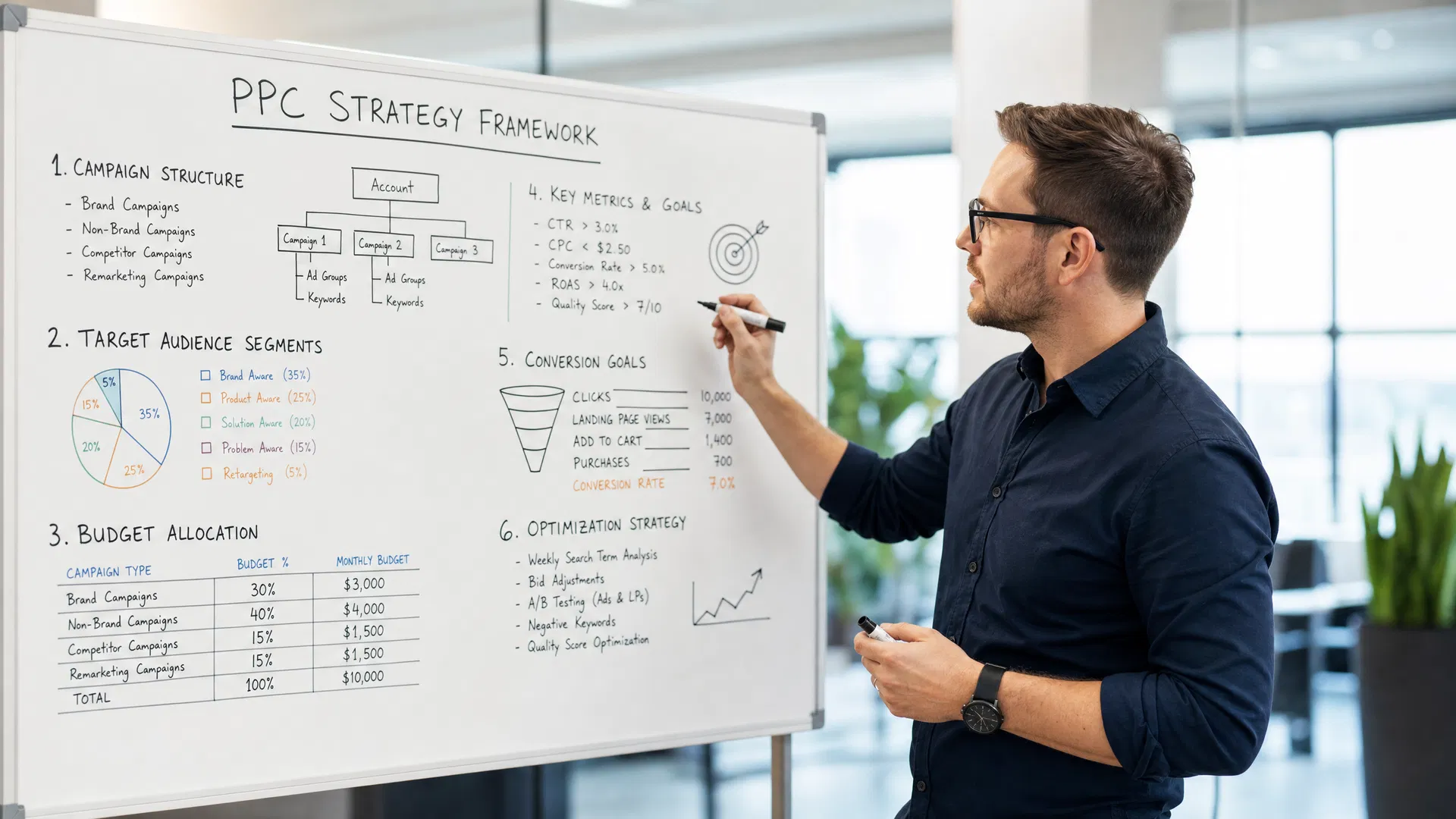
SaaS buyers do not search for a feature list. They search for a fix, a safer process, a faster result, or a way to reduce risk. The strongest campaigns map the searcher’s problem to a specific use case and make the next step easy to understand. This is especially important for SMB and mid-market SaaS teams, where every qualified conversation matters.
Apricot takeaway: Group campaigns by intent: urgent problem, category comparison, competitor or alternative, and solution education. Give each group its own landing-page promise and conversion event.
3. Measurement must follow the revenue journey
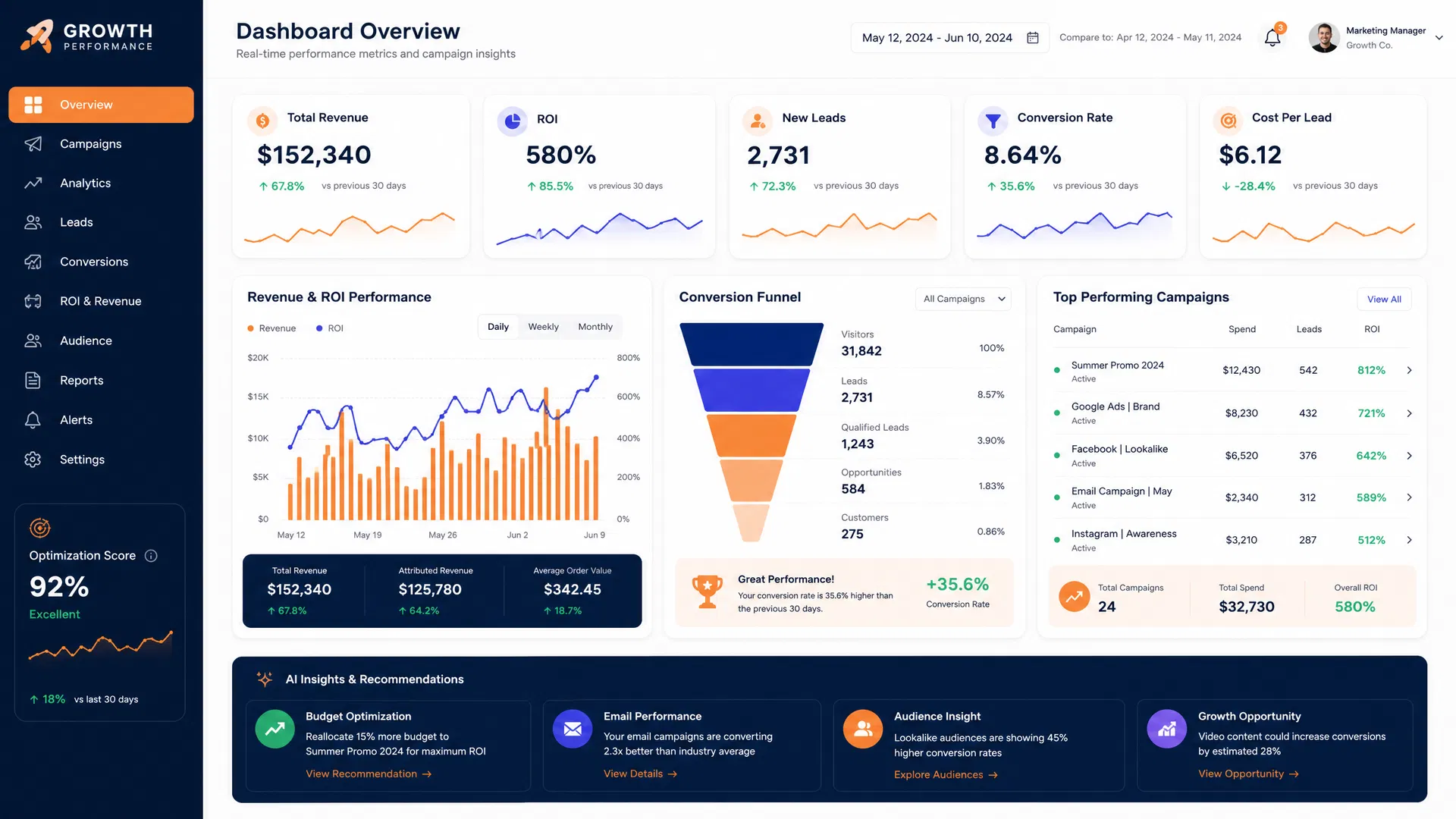
A form fill is an early signal, not the final business result. A durable SaaS measurement system joins the ad click to the landing page, marketing-qualified lead, sales-accepted lead, opportunity, and revenue outcome. That lets a team protect good campaigns even when the cheapest lead source is not the best pipeline source.
Apricot takeaway: Start with a small scorecard: qualified leads, opportunity rate, pipeline created, cost per qualified opportunity, and payback. Review it by campaign and by segment before changing budgets.

4. Human proof still matters in an AI-first market
High Alpha reports that events ranked as the most effective channel across ARR bands in its 2025 survey. That is a useful reminder: software buyers still value trust, context, and conversation. Digital campaigns should make that human proof easy to find through customer evidence, clear expert bylines, useful answers, and a consultation path that does not feel like a trap.
Apricot takeaway: Pair demand capture with proof: explain who the solution is for, show how it works, answer objections directly, and make the expert behind the recommendation visible.
A simple 30-day SaaS marketing reset
Frequently asked questions
What is the biggest SaaS marketing trend right now?
The strongest current pattern is operationalizing AI and measurement: SaaS teams are moving beyond isolated AI features and tying acquisition, product value, retention, and expansion to clear business outcomes. High Alpha’s 2025 SaaS Benchmarks Report describes this shift as Operation AI and reports that 800+ respondents participated, with 37% primarily targeting enterprise buyers and 22% targeting SMB buyers.
Which marketing channel is most effective for SaaS companies?
There is no universal winner for every SaaS company. High Alpha’s 2025 SaaS Benchmarks Report says events ranked as the most effective channel across ARR bands in its survey. For paid search, the practical answer is to test high-intent problem and category queries, connect them to qualified-pipeline events, and compare channel performance using consistent attribution.
How should a B2B SaaS company prepare content for Google AI Overviews and Bing AI answers?
Use the same strong SEO foundations: publish helpful original content, make important information available as text, use clear headings and tables, support claims with evidence, keep pages crawlable, and keep content accurate and fresh. Google says there are no special AI-search requirements or special schema needed; Bing’s AI Performance guidance emphasizes clear structure, evidence, freshness, and monitoring citations.
What should SaaS marketers measure before increasing ad spend?
Before scaling spend, confirm that conversion tracking is reliable and define the business outcome that matters: qualified opportunity, pipeline value, or revenue. Then review search-term quality, lead-to-opportunity rate, sales acceptance, customer acquisition cost, and payback. A low cost per lead is not enough if the leads do not become qualified pipeline.
Need a clearer SaaS growth plan?
The Apricot Agency helps SaaS and software companies connect Google Ads, demand generation, measurement, and qualified-pipeline goals.
Request a free audit